
Mimosa Hostilis, also known as Mimosa tenuiflora, is a tropical tree native to Brazil, Mexico, and other parts of Central and South America. Its inner root bark has garnered significant attention for its psychoactive properties, particularly in the context of natural psychedelic therapy. Traditionally, indigenous cultures in the Amazon rainforest have used Mimosa Hostilis in spiritual ceremonies, where it is revered for its ability to promote healing, self-awareness, and connection with nature. The active compound in the inner root bark of Mimosa Hostilis is DMT dimethyltryptamine, a powerful psychedelic substance that plays a central role in various therapeutic and ceremonial uses. DMT is naturally found in many plant species and is considered one of the most potent naturally occurring psychedelics. In the case of Mimosa Hostilis, the inner root bark contains high concentrations of this compound, which is typically extracted for use in psychedelic therapy. DMT works primarily by binding to serotonin receptors in the brain, particularly the 5-HT2A receptor, which is thought to mediate its hallucinogenic effects.
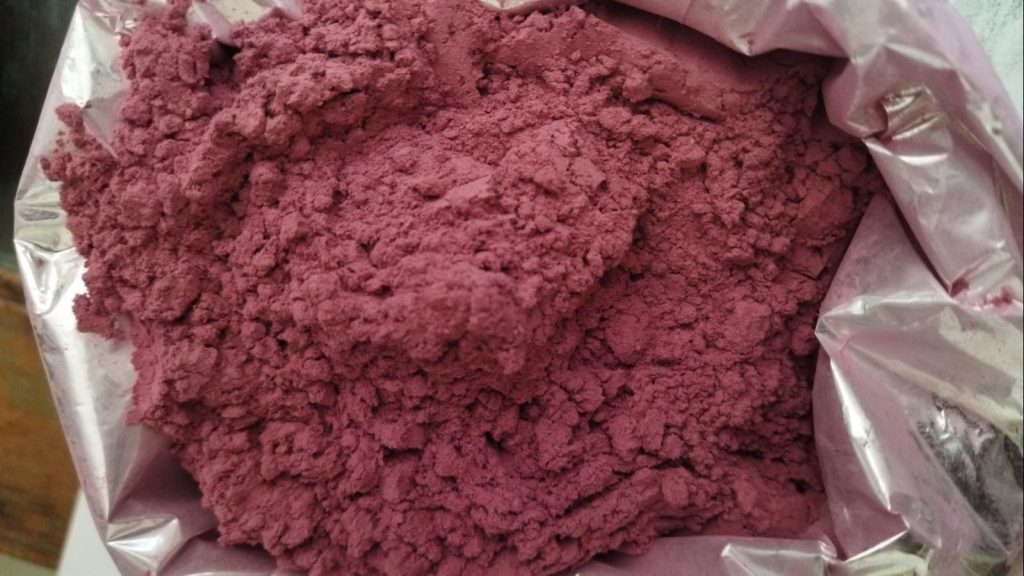
When consumed, DMT induces profound alterations in perception, including vivid visual and auditory experiences, as well as a deep sense of altered consciousness. These effects have been linked to the exploration of the inner psyche, often resulting in emotional breakthroughs, personal insights, and spiritual experiences. The therapeutic potential of Mimosa Hostilis’ inner root bark in the context of psychedelics lies in its ability to facilitate profound psychological healing. Many individuals report that DMT experiences help them confront suppressed emotions, traumas, and deeply rooted mental health issues. In this sense, Mimosa Hostilis Inner Root Bark can act as a tool for introspection and self-discovery, enabling individuals to process and release pent-up emotional energy. The experience is often described as one of emotional catharsis, where participants feel they have confronted their fears and trauma, leading to a sense of liberation and emotional renewal. Moreover, psychedelic therapy with Mimosa Hostilis is gaining attention as a potential treatment for various mental health disorders. Conditions such as depression, anxiety, PTSD, and addiction are all being explored in psychedelic research.
Another reason Mimosa Hostilis has been gaining interest in natural psychedelic therapy is its relatively low toxicity when compared to other substances. Unlike some psychedelics, which can have harmful effects on the body or mind if used improperly, Mimosa Hostilis’ DMT content is generally considered to have a safe profile, especially when administered in a controlled environment. This makes it an attractive option for those seeking alternative, natural therapeutic experiences. However, it is essential to note that the use of Mimosa Hostilis and other psychedelics should be undertaken with caution, ideally under the guidance of trained professionals who can ensure safety and proper integration of the experience. Mimosa Hostilis’ inner root bark is increasingly recognized for its potential role in natural psychedelic therapy, offering individuals an opportunity for profound psychological and spiritual healing. With its powerful DMT content, the plant has been used to facilitate deep self-exploration, emotional release, and therapeutic breakthroughs. As research continues into the therapeutic applications of psychedelics, Mimosa Hostilis may play a significant role in reshaping mental health treatments and promoting well-being in the future.