
Maintaining a safe and clean environment in a restaurant is essential not only for customer satisfaction but also for the health and safety of everyone involved. Restaurant hygiene plays a crucial role in preventing foodborne illnesses, ensuring regulatory compliance, and building trust with patrons. Effective hygiene solutions must address all areas of the restaurant, including the kitchen, dining area, restrooms, and even back-of-house operations. One of the most critical components of restaurant hygiene is the implementation of rigorous cleaning schedules. Regular sanitization of food preparation surfaces, equipment, and utensils helps to eliminate bacteria and cross-contamination. Staff should be trained to clean and sanitize cutting boards, knives, countertops, and other tools after each use, especially when handling raw meat, seafood, or poultry. Using color-coded tools can prevent cross-use between raw and ready-to-eat foods. Equally important is maintaining personal hygiene among restaurant staff. Employees should adhere to strict hand washing protocols, wearing gloves when necessary, and staying home when ill.
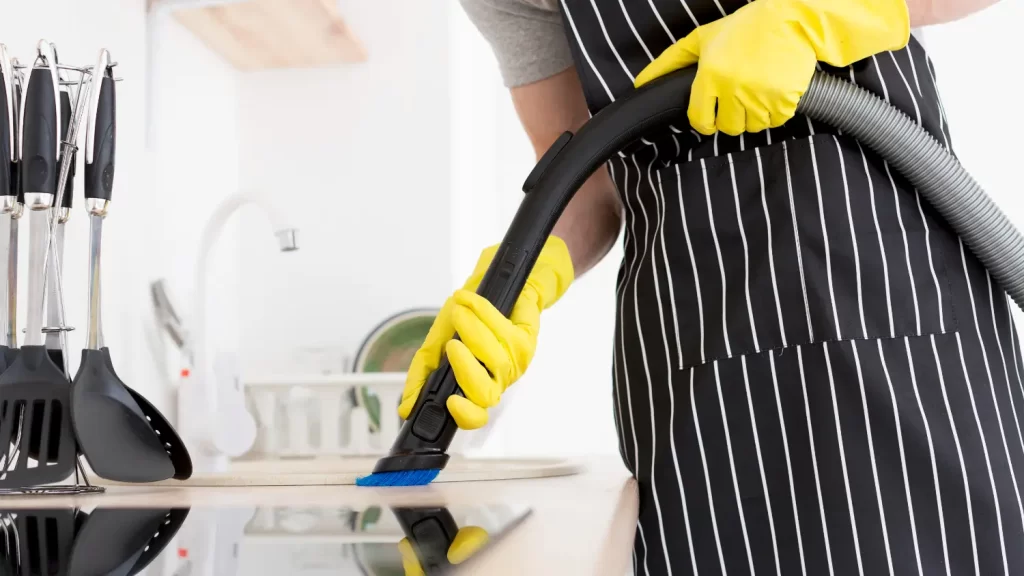
Providing accessible hand washing stations stocked with soap, hand sanitizer, and disposable towels helps reinforce good habits. Proper food storage is another essential aspect of hygiene. Refrigerators and freezers should be maintained at safe temperatures, and foods should be stored in sealed, labeled containers. Raw items must be stored separately from cooked or ready-to-eat foods to prevent contamination. Additionally, restaurants must manage waste efficiently. Trash bins should be emptied regularly, kept covered, and located away from food preparation areas. Pest control is equally vital, as rodents and insects pose serious health risks. Working with a professional pest management service and sealing entry points can significantly reduce the chances of infestation. Dining areas also require regular cleaning and disinfection. Tables, chairs, menus, and condiment containers should be wiped down between customers. High-touch areas such as door handles, payment machines, and restroom fixtures must be disinfected frequently. Ventilation systems should be regularly inspected and cleaned to ensure good air quality, which is especially important in preventing airborne illnesses.
During health inspections, a restaurant’s adherence to cleanliness standards can directly impact its operational status and public image. Therefore, maintaining clear hygiene protocols and training all staff to follow them consistently is crucial. Investing in staff education about food safety regulations, emerging hygiene practices, and the correct use of cleaning products can result in a safer environment and higher overall efficiency. Technology can also aid in maintaining restaurant hygiene. Digital checklists and monitoring systems can help managers ensure that cleaning tasks are completed consistently and on schedule. Temperature monitoring devices can alert staff when refrigerators or freezers fall outside of safe ranges. In addition, UV sanitation tools and touchless technology such as motion-sensor faucets and soap dispensers can reduce the spread of germs. By prioritizing Restaurant hygiene solutions not only comply with regulations but also create a welcoming atmosphere that fosters customer loyalty and trust.