
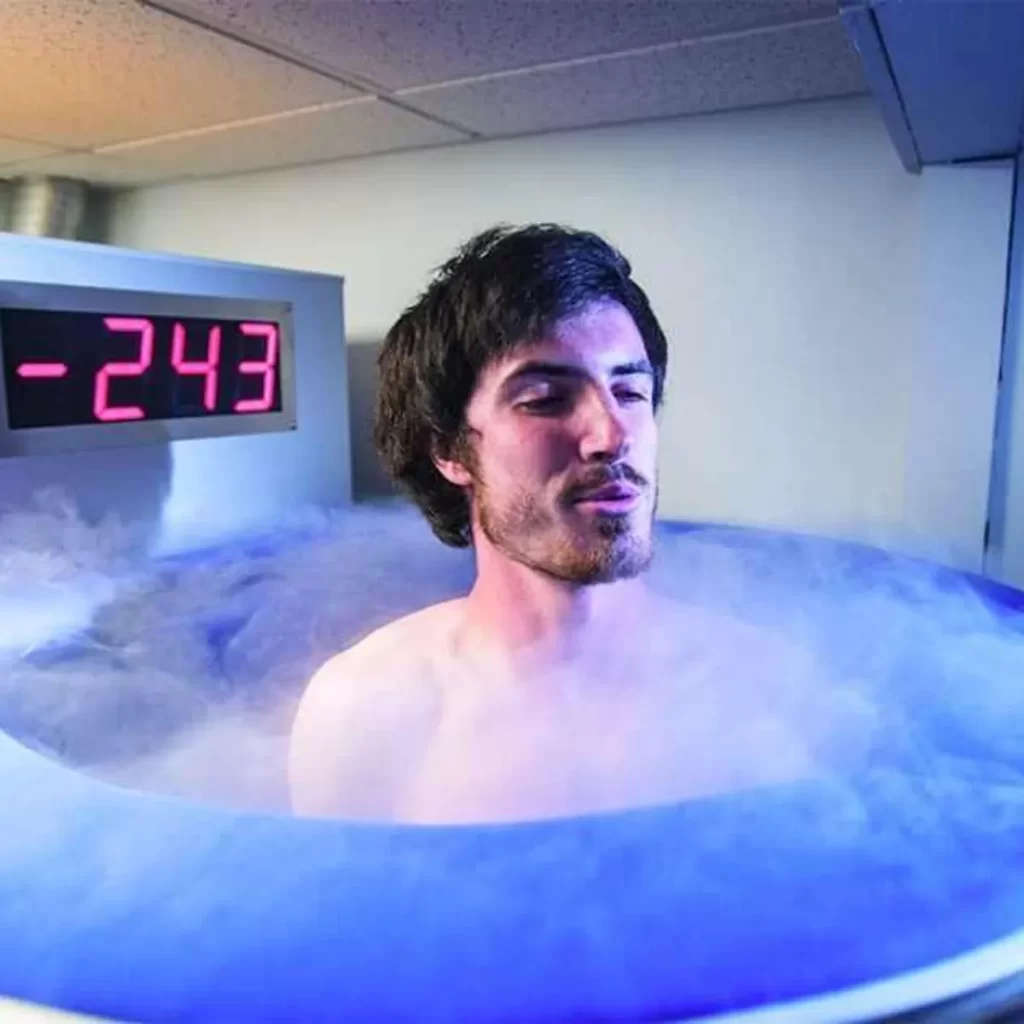
Cryotherapy, a treatment method that involves exposing the body to extremely cold temperatures for several minutes, has gained increasing popularity for its numerous health benefits, especially in reducing inflammation and accelerating the healing process. This therapy can be applied locally to a specific area or used in the form of whole-body cryotherapy, where individuals stand in a chamber filled with super cooled air, typically ranging from -100°C to -140°C. The underlying principle of cryotherapy is to trigger a physiological response in the body that helps control inflammation, alleviate pain, and speed up recovery, making it a valuable tool in both medical and athletic settings. Inflammation is a natural response of the body to injury or infection, characterized by redness, swelling, heat, and pain. While acute inflammation is essential for the healing process, chronic inflammation can lead to tissue damage and long-term health problems. Cryotherapy works by constricting blood vessels, which reduces blood flow to the affected area and limits the release of inflammatory mediators. This vasoconstriction helps to decrease swelling and discomfort, providing immediate relief.
Once the cold exposure ends, blood vessels dilate, encouraging increased circulation and the delivery of oxygen and nutrients to damaged tissues. This cycle supports tissue repair and accelerates the healing process. Athletes and individuals suffering from musculoskeletal injuries frequently turn to cryotherapy to manage pain and inflammation. After intense physical activity, cryotherapy helps minimize delayed onset muscle soreness DOMS, enabling faster recovery and improved performance. In addition, people with chronic inflammatory conditions such as arthritis or fibromyalgia often find relief through regular cryotherapy sessions, reporting reduced pain and improved mobility. Beyond its anti-inflammatory benefits, cryotherapy also stimulates the release of endorphins natural mood enhancers and improves sleep quality, which further supports healing. Cold exposure can reduce oxidative stress and modulate immune function, both of which contribute to faster tissue regeneration and reduced recovery time. Furthermore, by lowering skin and muscle temperatures, cryotherapy dulls nerve activity, which leads to temporary pain relief, providing a natural alternative to pain medication.
It has been shown to be effective in treating conditions such as tendonitis, sprains, muscle soreness, and joint pain. In clinical practice, cryotherapy is not limited to athletic injuries. It is also used post-surgery to reduce swelling and support healing in the early stages of recovery. Patients who have undergone joint replacements or ligament repairs often benefit from localized cryotherapy treatments. The therapy is generally considered safe when administered correctly, though it may not be suitable for individuals with certain conditions such as uncontrolled hypertension, Raynaud’s disease, or cold allergies. Cryotherapy is a powerful, non-invasive treatment that effectively reduces inflammation and accelerates healing. Its benefits extend from sports and physical therapy to chronic pain management and post-operative care. By improving blood circulation, decreasing inflammatory markers, and enhancing overall recovery, cryotherapy provides a natural and efficient solution for those seeking relief from pain and a faster return to health and activity. As research continues to expand, the role of cryotherapy poole in health and wellness is likely to grow even more prominent.