
Type 2 surge protective devices SPDs play a crucial role in safeguarding electrical systems from the damaging effects of transient over voltages, commonly known as electrical surges. These surges often result from lightning strikes, switching operations in the power grid, or faults within electrical equipment, leading to sudden spikes in voltage that can disrupt or damage sensitive electronics and electrical infrastructure. Type 2 SPDs are specifically designed to be installed at the distribution panel or main electrical panel level, where they provide a critical line of defense by diverting excess voltage away from the connected equipment, thus preventing disruptions and costly damage. When an electrical surge occurs, the SPD quickly detects the sudden rise in voltage and activates its internal components, such as metal oxide varistors MOVs, to absorb and redirect the excess energy safely to the ground. This process clamps the voltage to a safe, predetermined level, ensuring that the downstream devices only receive normal operating voltage. By doing this, Type 2 SPDs protect everything connected to the electrical distribution system, including computers, home appliances, industrial machinery, and communication equipment, from voltage spikes that could otherwise cause immediate failure or degrade their performance over time.
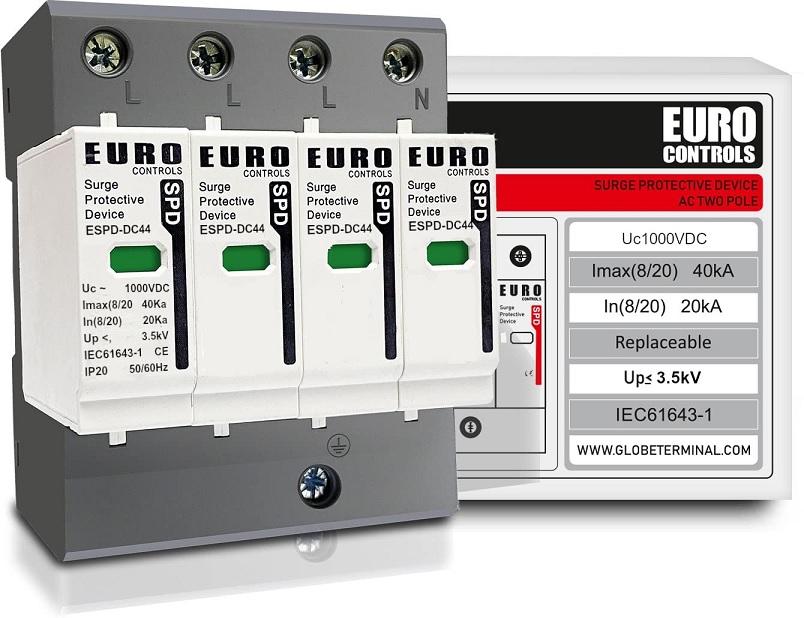
Moreover, type 2 spd contributes to maintaining system reliability and minimizing downtime. Electrical surges can cause unexpected interruptions by tripping circuit breakers, damaging control systems, or even igniting electrical fires. By controlling and mitigating surge events, these devices help prevent such interruptions, allowing businesses and households to operate smoothly without unexpected shutdowns. This is particularly important in industrial and commercial settings where even a few minutes of downtime can lead to significant financial losses. The prevention of equipment damage also reduces maintenance costs and extends the lifespan of electrical assets, resulting in long-term savings. Another key advantage of Type 2 surge protective devices is their role in enhancing compliance with electrical safety standards and codes. Many regions require the installation of surge protection as part of building electrical systems, especially in commercial or industrial environments. Installing Type 2 SPDs ensures adherence to these regulations, contributing to safer electrical installations and reducing liability risks associated with electrical faults caused by surges. This compliance also reassures building owners, facility managers, and occupants that the electrical infrastructure is robust and capable of handling transient disturbances effectively.
Type 2 SPDs are also highly versatile and compatible with a wide range of electrical systems. They are designed to work seamlessly with other protective devices, such as Type 1 SPDs installed at the service entrance and Type 3 SPDs point-of-use protection, creating a layered defense strategy known as surge protection coordination. This coordination ensures that surges are progressively reduced at various points in the electrical system, providing comprehensive protection from external and internal surge sources. This strategic placement optimizes the SPD’s effectiveness, preventing disruptions not only from large surges entering the system but also from smaller surges generated within the facility. Type 2 SPD is essential component in modern electrical systems that prevent disruptions caused by electrical surges through fast-acting voltage clamping, protection of sensitive equipment, and maintenance of system reliability. By mitigating the harmful effects of transient over voltages, these devices reduce downtime, lower repair and replacement costs, enhance safety compliance, and contribute to the overall longevity of electrical infrastructure.