
Learning to master the business casual style of dress is vital in the modern workplace. It lets you make a lasting impact and still maintain your own comfort. This dress code is a compromise between traditional corporate attire and a relaxed yet professional look. Whether you are stepping into a new job or upgrading your wardrobe this guide will help you navigate contemporary business casual style effortlessly.
Understanding Business Casual
Business casual is a flexible dress code that blends professionalism with comfort. The specifics may vary depending on your workplace, but the most common features are:
- For men : Polo shirts and dress shirts with or without ties, chinos, loafers and Blazers.
- For Women: Blouses, tailored pants, skirts, cardigans, and closed-toe shoes.
Converse, denim, and overly casual clothing such as graphic T-shirts and flip-flops are generally discouraged. Modern business casual offers some flexibility, depending on the corporate culture.
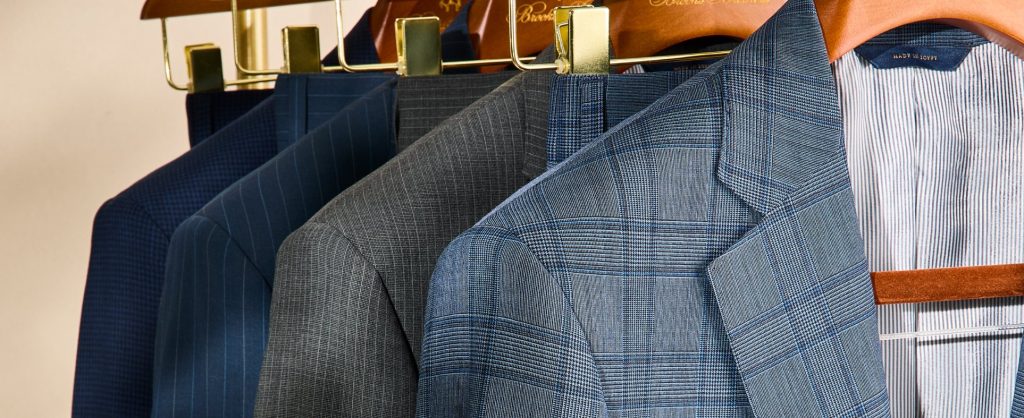
How to dress business casual with Confidence How to Dress Business Casual with Confidence
- Build a Versatile Foundation
Start with neutral basics like navy, gray, beige and black, which are easy to mix and match with more expressive pieces. A well-fitted blazer, crisp button-downs, and a good pair of shoes are all essential items that create a professional yet stylish attire without being too formal.
- Add personal touches
You should be able to showcase your style in subtle ways. Include:
- Colors and patterns : Although business casual tends to be neutral colors, adding a pop of color or printed shirt will show off your individuality.
- Accessories – Belts and watches can give some elegance to your look without overwhelming it.
- Footwear : Instead of the traditional dress shoes choose stylish loafers, ankle boots, or sleek flats that reflect your personal style.
- Choose comfortable fabrics that are Professional
Since business casual emphasizes the comfort of wearing it, select soft, breathable and high-quality fabrics like wool blends, cotton, or linen. Avoid casual fabrics like denim or jersey.
- Dress for Your Industry
Different industries have varying definitions of business casual. Tech startups might permit dark-wash jeans and stylish sneakers, whereas a law firm might expect dressier dong phuc quan au aristino uniform. Be sure to consider the workplace culture when deciding on your outfit.
- Keep Grooming and Fit
Unprofessional grooming and unfitting clothing could ruin your professional look regardless of how elegant the outfit. Make sure your clothing is perfectly pressed and tailored. Your hair, nails and general grooming should be clean and polished.
Business Casual Outfit Ideas
For Men:
- A fitted navy jacket, paired with the khaki dress shirt brown loafers and khaki pants.
- A pattern polo shirt is worn with formal trousers and leather dress shoes.
- Lightweight sweater worn over a collared shirt and dark trousers.
For Women:
- A well-constructed blouse with ankle-length trousers and pointed-toe flats.
- A knee-length skirt that comes with a tucked-in button-up shirt and the blazer.
- A well-tailored jumpsuit with a sleek belt and heeled boots.
Business Casual Wardrobe Tips for Every Season
- Spring & Summer: Opt for lighter fabrics such as linen or cotton for a cool look and professional looking.
- Fall and Winter: Add layers of knit sweaters and wool Blazers for a professional style.
- Staples for All Seasons: Buy well-fitted trousers, tops with neutral colors, and shoes that will last forever.
Conclusion
Finding the right equilibrium between self-expression, professionalism and business casual is the key to mastering this personal style. Following these tips for building a business casual wardrobe and you’ll be able to create an outfit that is appropriate for your profession and your personal style. If you’re dressing for a business event, a social event or casual office days, you will always look professional and polished.